Battersea gardeners guide to small balcony gardens SW11
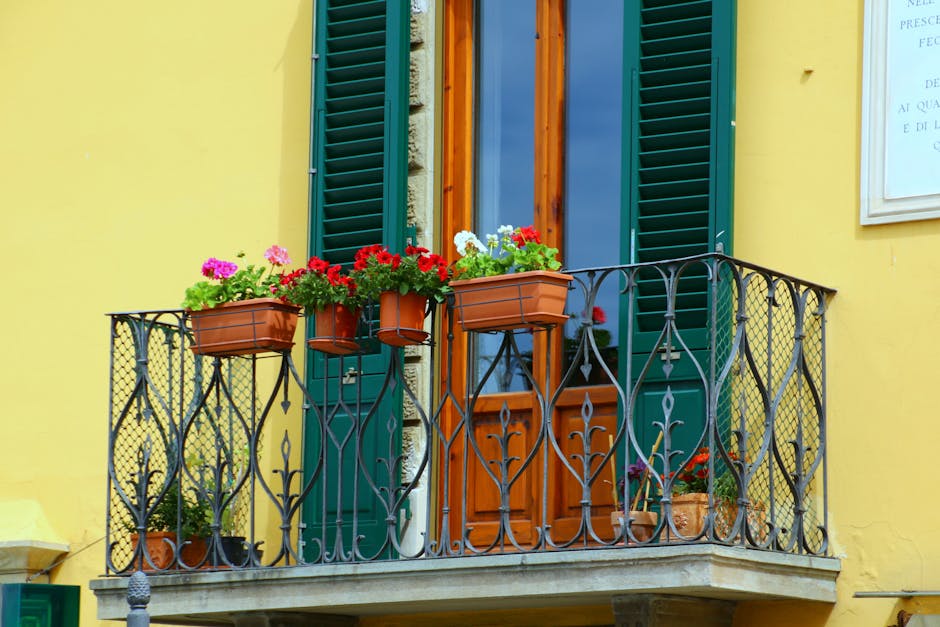
If you live in Battersea and your outdoor space is more balcony than garden, you are in very good company. A small balcony can still feel calm, green, and properly useful with the right planting choices and a bit of planning. This Battersea gardeners guide to small balcony gardens SW11 is written for people who want real-world ideas, not fluffy inspiration boards. You will find practical layout advice, plant picks that make sense in London conditions, and a clear step-by-step approach that helps a compact balcony feel larger, brighter, and easier to look after.
Truth be told, small balcony gardening is a different game from working with a traditional garden. Wind, shade, privacy, weight limits, watering, and neighbour sightlines all matter. But once you understand the basics, the space starts to work with you instead of against you. That is where the fun begins.
Why Battersea gardeners guide to small balcony gardens SW11 Matters
Balcony gardening in SW11 matters because it turns limited outdoor space into something you actually use. In Battersea, many homes have balconies rather than full gardens, and that changes everything. A balcony is often exposed, visually open, and sometimes awkwardly narrow. Without a plan, it becomes a storage spot for a chair you never sit in and a few tired pots. Not ideal.
With a thoughtful approach, though, a balcony can become a morning coffee corner, a little herb patch, or a leafy retreat after work. It can also soften the look of hard urban surroundings. That matters more than people think. A few well-chosen plants can make a flat feel warmer and more lived in, and there is a proper satisfaction in stepping outside and seeing life growing in a small space.
For local residents, the practical side is just as important. Battersea balconies often face changing light through the day, gusty wind corridors, and privacy concerns from nearby buildings. So this guide is about making a balcony garden work in the real world, not in a perfect showroom. If your space gets one hour of sun in the afternoon and a fair bit of breeze, that is fine. You can still build something lovely.
If you later decide your outdoor area needs more structural help, it can be useful to look at broader garden services overview options, especially where planting, layout, or surface upgrades are part of the same project.
How Battersea gardeners guide to small balcony gardens SW11 Works
The basic principle is simple: design from the constraints first, then add plants. A balcony garden works best when each layer has a job. The floor should be safe and weatherproof, the containers should suit the light and wind, the plants should stay in scale, and the overall layout should leave room for movement. If you can still carry a tray of tea across the space without knocking something over, you are doing it right.
In practice, that means thinking in zones. One zone might hold tall plants or screening. Another might be for seating. A third might be for edible planting or seasonal colour. Even on a very small balcony, this kind of quiet organisation helps the space feel deliberate rather than cluttered.
It also means being honest about maintenance. A balcony with twelve thirsty pots looks charming for a week, then becomes a daily watering job that starts to feel like homework. Better to choose a smaller number of stronger planting choices than to cram every surface with containers. Less can genuinely be more here.
For balconies attached to homes that also need more general upkeep, regular garden maintenance support can help keep the surrounding outdoor areas tidy so the balcony does not feel neglected by comparison.
Key Benefits and Practical Advantages
A good small balcony garden gives you more than decoration. It changes how you use the space and how the home feels day to day. Here are the main advantages people notice first:
- More usable space: even a modest balcony becomes a proper destination, not just an exit.
- Better privacy: tall planters, climbers, and layered foliage can soften sightlines without making the area feel boxed in.
- Improved mood: a bit of green close by can make the flat feel calmer, especially in busy urban surroundings.
- Seasonal interest: flowers, foliage, herbs, and structure keep the space alive through the year.
- Useful growing space: herbs, salad leaves, strawberries, and compact edibles do surprisingly well in pots.
- Lower commitment than a full garden: easier to redesign, easier to refresh, and often simpler to maintain.
There is also a design benefit people overlook: a balcony garden gives the eye a focal point. That makes the whole room feel more finished when you look out through the glass doors. It is a small thing, but it changes the tone of a home. On a grey Tuesday in January, that matters more than anyone admits out loud.
If you want to extend the look beyond planting alone, a small amount of hard landscaping or timber detail can help define the space. In that case, some homeowners explore decking services as part of a broader balcony or terrace refresh, though suitability depends on the building and the surface structure. Careful advice is worth having.
Who This Is For and When It Makes Sense
This guide is for renters, owners, landlords, and anyone in Battersea trying to make a compact balcony feel like a genuine outdoor room. It is especially useful if you:
- have a narrow balcony and do not know where to begin;
- want low-maintenance greenery rather than a high-effort display;
- need privacy from nearby windows or neighbouring balconies;
- have shade for part of the day and are unsure what will survive;
- like the idea of herbs or small edibles but lack ground space;
- want the balcony to look good year-round, not just in summer.
It also makes sense if your current setup feels a bit unfinished. Maybe you already have a chair, a lantern, and three pots that never quite match. Maybe the space works in theory but not in practice. A sharper planting scheme and better container choice can fix that fast.
And yes, there are times when a balcony garden is not the right first step. If the area is cluttered with old items, broken pots, or leftover building materials, clearing it out comes before planting. That is when a garden clearance style service may be the cleaner starting point, especially if you want a fresh layout rather than a patch job.
Step-by-Step Guidance
Here is the practical sequence we would recommend for most small balcony gardens in Battersea. Nothing fancy. Just the order that tends to save time, money, and regret.
- Measure the space carefully. Note width, depth, door swing, railing height, and any awkward corners. It sounds obvious, but people skip this and then wonder why the table blocks the door.
- Check light and exposure. Watch where the sun lands in the morning and afternoon. Also note wind. A balcony can go from bright to brutal in a single gust, especially higher up.
- Decide the main purpose. Is this a relaxing space, a food-growing zone, a privacy screen, or a seasonal display? You can combine uses, but one purpose should lead.
- Choose a simple layout. Keep the centre clear if the balcony is tight. Put larger containers at the edges and use vertical space where possible.
- Select containers with drainage. Pots, troughs, and railing planters need drainage holes. Without them, roots sit in water and plants get sulky. Not a good look.
- Pick plants for the conditions, not just the colour. Shade-tolerant plants belong in shaded balconies. Wind-tough plants belong where the exposure is high.
- Use quality compost and mulch where appropriate. Good growing medium helps with moisture retention and root health. On small balconies, pots dry quickly.
- Set up watering access. Keep a watering can nearby or install a simple routine. Small spaces are easy to manage if the system is easy to repeat.
- Add finishing touches. A compact seat, a fold-away table, solar lighting, or a screen can lift the whole area without crowding it.
- Review after two weeks. This is the bit people forget. Once plants settle in, you will see what needs moving, trimming, or replacing. Good gardens are edited, not just installed.
If the layout needs a more ambitious rethink, local residents sometimes choose broader landscape gardening support to shape the space properly from the start. That can be especially helpful where balconies connect visually to a terrace or shared outdoor area.
Expert Tips for Better Results
Small balcony gardens improve dramatically when you focus on a few expert habits. These are the ones that tend to matter most in everyday use:
- Go vertical early. Trellis, wall-mounted planters, and tiered stands create planting height without using precious floor space.
- Use repetition. Three or four repeated containers can look calmer than a random mix of everything available at the garden centre.
- Balance weight. Spread heavy pots across the balcony and avoid concentrating too much load in one spot.
- Choose mixed textures. Pair glossy leaves with softer foliage, or upright shapes with trailing plants. It gives depth without clutter.
- Plan for winter. A balcony garden should still look tidy in cold months. Evergreens, grasses, and strong container shapes help a lot.
- Think about what you hear. This sounds odd, but rustling grasses or trailing plants brushing against a railing can make the space feel calm in a very human way.
One helpful trick is to treat the balcony like a small room. A room needs a floor, walls, and a focal point. Your planters can play the wall, your seat can be the focal point, and the floor should stay clear enough to move. Once you see it that way, choices get easier.
If privacy is part of the brief, a slim screen or dense planting can help, but avoid overdoing it. Too much screening can make a small balcony feel boxed in. The sweet spot is soft separation, not a bunker. Let's face it, nobody wants to sit in a green cave unless they really mean to.
Common Mistakes to Avoid
Most balcony garden problems come from trying to do too much too soon. A few common mistakes show up again and again:
- Overcrowding the space. Too many pots, chairs, and ornaments make the balcony awkward to use.
- Ignoring wind exposure. Lightweight pots, tall top-heavy plants, and loose decor can become a nuisance fast.
- Choosing plants for looks only. A plant that looks lovely in a sheltered nursery may struggle badly on an exposed balcony.
- Forgetting drainage. Waterlogged containers are one of the fastest ways to lose plants.
- Using the wrong materials. Cheap finishes can deteriorate quickly in rain and temperature swings.
- Not planning maintenance. If the watering routine is unrealistic, the garden will slowly drift into tiredness.
A smaller mistake, but a real one, is buying everything in one go. Better to build the balcony in stages. Start with the layout and the core plants. Then add accessories after living with the space for a week or two. That small pause saves a lot of impulse purchases, which is good for the wallet and the nerves.
If a balcony is already overgrown with dead containers, old soil, or broken supports, a tidy-up first is usually the smart move. In some cases, homeowners prefer to organise this alongside a more general outdoor services overview so the whole space is considered properly, not just the visible bits.
Tools, Resources and Recommendations
You do not need a warehouse of equipment to maintain a small balcony garden. In fact, a lean kit is usually better. The most useful items are:
- a sturdy watering can with a narrow spout;
- compact secateurs for deadheading and light pruning;
- gloves that fit well;
- a small hand trowel;
- a folding or stackable storage box for compost bags and tools;
- plant supports or soft ties for climbers and taller stems;
- trays or saucers where appropriate to protect surfaces;
- a simple note on when each plant needs water.
As for plant types, think in categories rather than exact fashion picks. Foliage plants give structure, flowering plants give colour, herbs give smell and usefulness, and trailing plants soften edges. A good balcony often uses all four, but in a balanced way. Think about rosemary, thyme, heuchera, ferns for shade, compact grasses, ivy, pelargoniums, and dwarf herbs where the conditions fit.
If you are unsure where to begin, ask yourself one simple question: what do you want to see from inside the flat on a dull day? That answer usually points you towards the right mix of texture, height, and colour.
For people who want the balcony to fit into a wider outdoor plan, services such as landscaping can help unify materials and planting across connected spaces. And if the balcony sits above, beside, or near larger green areas, keeping those areas under control with hedge trimming or lawn mowing where relevant helps the whole property feel cared for.
Law, Compliance, Standards, or Best Practice
Balcony gardens sit in a more sensitive space than many people realise. You are not just decorating a private corner; you are working with a structure that may have load considerations, shared access issues, and building management rules. So the best approach is cautious and sensible.
First, check building or lease rules. Some balconies have restrictions on drilling, screening, hanging heavy items, or storing bulky materials. If you rent, your landlord or managing agent may also have requirements. That is normal in London apartment living, really.
Second, think about weight. Wet soil and large ceramic pots can be much heavier than they look. Use a considered mix of container sizes, and avoid piling all the weight into one area. If you are unsure about structural limits, ask a qualified professional or building manager rather than guessing.
Third, keep water under control. Excess runoff can cause nuisance to neighbours or staining on surfaces below. Saucer use, careful watering, and drainage-aware planting are simple best practices.
Fourth, keep access clear. Fire exits, doors, and shared routes should never be obstructed. This is part practical sense and part basic courtesy. No one wants to be the neighbour everyone quietly talks about.
Fifth, use safe materials. If you introduce screens, furniture, or fixed features, they should be stable in wind and suitable for outdoor use. If a balcony feels exposed, stability matters more than style.
For anyone commissioning work, it is also sensible to look at contractor reliability, insurance cover, and clear communication around access and timings. Pages like insurance and safety and health and safety policy can help explain how a professional service approaches those basics. If payment process clarity matters to you, it is also reasonable to review payment and security and pricing and quotes before agreeing to anything.
Options, Methods, or Comparison Table
There is no single correct way to style a small balcony garden. The right method depends on how you use the space, how much time you have, and how much sun it gets. Here is a simple comparison to help narrow it down.
| Approach | Best for | Strengths | Trade-offs |
|---|---|---|---|
| Compact decorative planting | People who want instant visual improvement | Low complexity, attractive from indoors, easy to refresh seasonally | Can become purely decorative if not planned well |
| Herb and edible balcony | Home cooks and practical gardeners | Useful, fragrant, rewarding, easy to access | Needs consistent watering and decent light |
| Privacy-led planting | Balconies overlooked by nearby flats | Creates screening and a softer feel | May need taller containers and more maintenance |
| Low-maintenance evergreen scheme | Busy households or occasional gardeners | Reliable year-round structure, less seasonal work | Less flower colour unless mixed carefully |
| Mixed-use micro retreat | People who want sitting, growing, and style in one place | Flexible and personal, makes the most of small space | Needs the clearest planning to avoid clutter |
In many Battersea homes, the mixed-use micro retreat ends up being the best answer. You get a little bit of everything without forcing the balcony into one narrow purpose. A chair, two strong pots, a small tray of herbs, and one vertical feature can go a long way. Sounds simple because it is.
Case Study or Real-World Example
Here is a realistic example. A Battersea resident with a slim fourth-floor balcony had a space that looked tidy enough but felt empty and exposed. They wanted something greener, wanted to sit outside in the evenings, and did not want a jungle that needed fussing over every day. Fair request, honestly.
The first step was clearing out the mismatched containers and broken storage items. After that, the layout was rebuilt around the doorway and the rail line. Three larger planters went to the outer edge for structure, and a smaller grouping of herbs and trailing plants was placed nearer the door. A foldable chair stayed in the centre so the balcony still worked as a sitting space.
What changed most was not the number of plants. It was the balance. The balcony suddenly had height, softness, and a calmer visual rhythm. From the living room, it looked intentional instead of improvised. That kind of shift is subtle but noticeable every day. The resident also found the space easier to maintain because watering and pruning became part of a short routine rather than a big weekly chore.
If the same balcony had been badly cluttered or full of unused materials, the process would have started with a more thorough tidy-up. In similar situations, a local professional may recommend a blend of cleaning, planting, and structural improvement rather than a planting-only fix. That is where practical experience matters.
Practical Checklist
Use this quick checklist before you start or refresh a balcony garden:
- Measure the balcony and note obstructions.
- Check sunlight and wind exposure at different times of day.
- Confirm any lease, landlord, or building rules.
- Decide the main purpose of the space.
- Choose containers with proper drainage.
- Keep the centre clear enough to move comfortably.
- Pick plants suited to the actual conditions.
- Use a watering plan you can realistically follow.
- Keep weight spread evenly and avoid overloading one corner.
- Choose materials that cope well with outdoor weather.
- Add only a few accessories at first.
- Review and adjust after the plants settle in.
Expert summary: the best small balcony gardens in Battersea are usually not the most elaborate ones. They are the ones that stay balanced, easy to water, and pleasant to use in ordinary weather, not just on a sunny Sunday.
Conclusion
A small balcony in Battersea can become one of the best parts of your home if you treat it like a real outdoor room. Start with the conditions, keep the design simple, and choose plants that can handle local exposure rather than chasing a perfect Pinterest look. That is the honest route, and it usually gives the best result anyway.
The real win is not just adding greenery. It is creating a space that feels calmer, more personal, and easier to live with. Once the layout works and the plants settle in, you will probably find yourself using the balcony more often than you expected. Morning coffee, evening air, a quick check on the herbs - little routines, but they add up.
If you are planning a balcony refresh or need help turning a compact outdoor area into something cleaner and more practical, it is worth speaking to a local team that understands both garden design and everyday maintenance. For more about the company behind these services, see about us or explore the main services overview when you are ready to compare options.
Get a free quote today and see how much you can save.
Sometimes the smallest spaces end up feeling the most rewarding. That is the quiet magic of a well-made balcony garden.
Frequently Asked Questions
What is the best way to start a small balcony garden in Battersea?
Start with measurements, light, and wind exposure. Then choose a simple purpose for the space, such as relaxing, growing herbs, or adding privacy. Once you know that, the plant and container choices become much easier.
Which plants work best on a windy balcony in SW11?
Wind-tolerant plants with sturdy stems and compact growth usually perform best. Think in terms of resilience rather than novelty. Heavier pots also help stabilise containers, provided the structure can safely take the load.
Can I grow herbs on a small balcony all year round?
Yes, though growth slows in colder months. Hardy herbs such as rosemary and thyme can do well if they have enough sun and good drainage. Keep expectations realistic in winter and avoid waterlogging the pots.
How many pots are too many for a small balcony?
There is no fixed number, but if moving around feels awkward or the balcony starts to look crowded, you probably have too many. A smaller number of well-placed containers is usually more effective than lots of tiny ones.
Do balcony gardens need special maintenance?
They need regular watering, occasional feeding, deadheading, and a bit of seasonal editing. Because containers dry out quickly, balcony gardens often need more frequent attention than ground-level planting.
How can I make a balcony garden feel more private?
Use layered planting, tall containers, and slim screens where allowed. The trick is to soften sightlines without blocking too much light. Too much screening can make a small balcony feel cramped.
Are heavy pots safe on a balcony?
Heavy pots can be fine, but weight should be considered carefully. Wet soil is heavier than it looks, so spread load sensibly and avoid overcrowding one area. If there is any doubt about the structure, get proper advice.
What is the easiest low-maintenance balcony garden idea?
A low-maintenance scheme usually combines a few evergreen plants, one or two seasonal accents, and a simple seating area. Repetition and a restrained palette make the space easier to manage.
Can I use decking on a small balcony?
Sometimes, yes, but suitability depends on the existing surface, the building rules, and the condition of the balcony. It is best treated as a planning decision, not a decorative afterthought.
How do I stop my balcony garden from looking cluttered?
Keep the centre of the balcony open, repeat container styles, and limit decorative extras. One strong plant group will usually look better than several unrelated items scattered around.
Should I hire a professional for a small balcony garden?
If you want a cleaner layout, help with plant selection, or support with a broader outdoor refresh, a professional can save time and guesswork. It is especially useful when the space has awkward dimensions, clutter, or maintenance issues.
Where can I find help with balcony garden maintenance in Battersea?
You can look at local garden maintenance support for ongoing care, or explore pricing and quotes if you want to compare options before making a decision.