Garden Maintenance in Battersea

Garden Maintenance Battersea provides practical, regular and one-off garden care for homes and managed properties that need tidy, healthy outdoor space. Our service focuses on the everyday work that keeps a garden manageable: mowing, edging, hedge trimming, pruning, weeding, planting care, leaf clearing and seasonal tidy-ups. Whether the aim is a neat front garden, an easier-to-manage rear plot or a longer-term maintenance schedule, the work is tailored to the condition and layout of the space.
We keep the approach straightforward. Some gardens mainly need routine cutting and tidying; others require a fuller reset after a period of neglect, followed by ongoing care. In either case, the aim is to make the garden easier to use and simpler to look after. Where appropriate, our work can also include bed clearance, border neatening and disposal of green waste, helping you keep on top of the jobs that otherwise build up quickly.
To talk through your garden and request a quotation, start by noting the size of the space and the type of work that is needed. If you already know which parts need attention, that helps us shape a sensible scope. For straightforward maintenance, a clear description is often enough to begin; for more involved gardens, a little extra detail can help with planning and timing.
Routine Garden Care and Seasonal Upkeep
Regular maintenance is often the easiest way to keep a garden looking ordered without letting tasks spiral. Lawn cutting, strimming, trimming soft growth and keeping edges crisp can make a marked difference to the overall appearance of a property. We work with the natural rhythm of the garden rather than forcing a single approach, so a maintained space can stay tidy while still looking healthy and lived-in.
Seasonal upkeep is just as important. In spring, gardens often need renewed attention after winter growth; in summer, beds and lawns can become more demanding; and in autumn, leaf fall and cutting back become central tasks. A maintenance plan can include the recurring jobs that suit your plot, from periodic visits to occasional larger clearances. If you are deciding between a one-off tidy and ongoing care, think about how quickly the garden regains clutter once it has been cut back.
Common maintenance tasks can include:
- grass cutting and lawn edging
- hedge trimming and light shaping
- weeding, border clearing and pruning
- leaf collection and general garden tidy-ups
- removal of cuttings and other green waste
Lawns, Edges and Tidy Borders

A well-kept lawn usually depends on more than simple cutting. Edges need defining, clippings should be cleared where necessary, and surrounding growth should be kept from creeping into the grass. In smaller gardens, the difference between a mown lawn and a properly finished one is often in the details: clean perimeters, even height, and a clear line between lawn and border. We focus on that finish as part of normal garden maintenance.
Border care matters too. Beds can become overgrown with self-seeded plants, weeds and untended stems, making the garden appear larger and messier than it really is. Careful border work can restore shape without stripping away character. Where plants are meant to stay, we avoid heavy-handed clearance and instead target the material that is crowding paths, hiding features or making the space difficult to manage. This balanced approach suits domestic gardens with mixed planting and limited room for manoeuvre.
For gardens that have become uneven or patchy, the next step may be a broader tidy-up followed by a more regular schedule. The goal is not perfection for its own sake, but a result that is practical, orderly and manageable. That is especially useful where the garden sits close to a patio, path or entrance and the neatness of the edges affects the whole setting.
Hedge Trimming, Shrubs and Light Pruning
Hedges and shrubs shape the character of many Battersea gardens, but they also need regular attention to stay under control. Trimming helps maintain height and spread, keeps access open and prevents growth from spilling over into adjoining areas. Light pruning can support a better outline for established shrubs, while still preserving the structure that makes them attractive. We keep cuts measured and appropriate to the plant, rather than reducing everything to a uniform look.
In practical terms, hedge and shrub work can be about visibility as much as appearance. Overgrown growth can narrow paths, hide boundary lines and reduce light in lower planting areas. A managed trim can improve the feel of a compact garden without removing its privacy or softness. For larger gardens, hedges often become part of the boundary architecture, so careful maintenance helps keep the whole space in proportion.
When planning this type of work, it is useful to consider whether the plant needs shaping, reduction or simple containment. If you are unsure, a clear description of the hedge height, access and current condition helps guide the quote. Good trimming is not just cutting back; it is about retaining the right shape for the garden and the right balance for the planting.
Clearance, Waste Removal and Garden Reset Work

Some gardens need more than routine upkeep. When growth has been left for a while, or when old plant matter and debris have accumulated, clearance work can bring the space back to a usable state. This may involve cutting back dense growth, removing broken material, clearing dead plants and making borders accessible again. A garden reset often creates the clean starting point that regular maintenance can then build on.
Waste handling is part of the process. Once material has been cut and gathered, it needs to be removed in a tidy and responsible way. That includes green waste, prunings and other garden debris produced during the work. Where the amount of waste is significant, it is sensible to factor that into the job scope from the beginning so the garden can be finished properly in one visit rather than left part-cleared.
For gardens that have become heavily cluttered, a staged approach can work well. The first visit tackles the main obstruction and visible mess; the follow-up work focuses on shaping, levelling and bringing the space into regular care. This avoids rushing and allows the garden to move from overgrown to manageable in a realistic sequence.
Landscaping Support and Practical Improvements
Alongside maintenance, some gardens benefit from modest improvement work that makes future care simpler. That may involve reshaping a bed edge, neatening a border line, refreshing a planting area or adjusting the layout so access is easier. We also support related garden tasks where they sit naturally alongside maintenance, helping the space function better without drifting into unnecessary upheaval.
For properties where outdoor space is used regularly, it can be helpful to think about the garden in terms of daily ease. Can you reach the bins, steps or seating area without moving through overgrowth? Are the lawn and borders set out in a way that can be maintained without awkward edging? A few sensible changes can reduce the time needed for ongoing upkeep. Where this kind of work is relevant, we combine it with the maintenance plan rather than treating it as a separate project with no follow-through.
Supporting work may also be used to prepare a garden for a new routine. If a plot has been neglected, a cleaner layout and more defined planting areas can make routine visits more effective. In that sense, landscaping support is often about making the next season easier, not just making the garden look different on the day.
Pricing Factors and Quotation Details

Garden maintenance quotes are usually shaped by the size of the area, the amount of growth, access to the garden and the type of work required. A small tidy-up and a wider reset are not the same job, and a hedge that needs careful shaping will take a different amount of time from a lawn cut and border weed. Clear information at the start helps create a quote that matches the work rather than relying on assumptions.
It is often useful to mention any awkward access, narrow side passages, disposal requirements or particularly dense growth when you enquire. Photos can help where the garden is not easy to describe, but they are only one part of the picture. If you already have a target for the result, such as a one-off seasonal tidy or a repeat maintenance arrangement, say so plainly. That helps us quote for the right level of effort and avoids unnecessary back-and-forth.
For a quicker response, keep your enquiry focused on the essentials: what needs doing, how often it needs doing, and whether you need cutting, clearance or both. You can ask for a quotation today and we will use the information provided to shape a practical scope. If the garden has several different areas, it is worth separating them in your notes so the work can be priced sensibly.
About Battersea
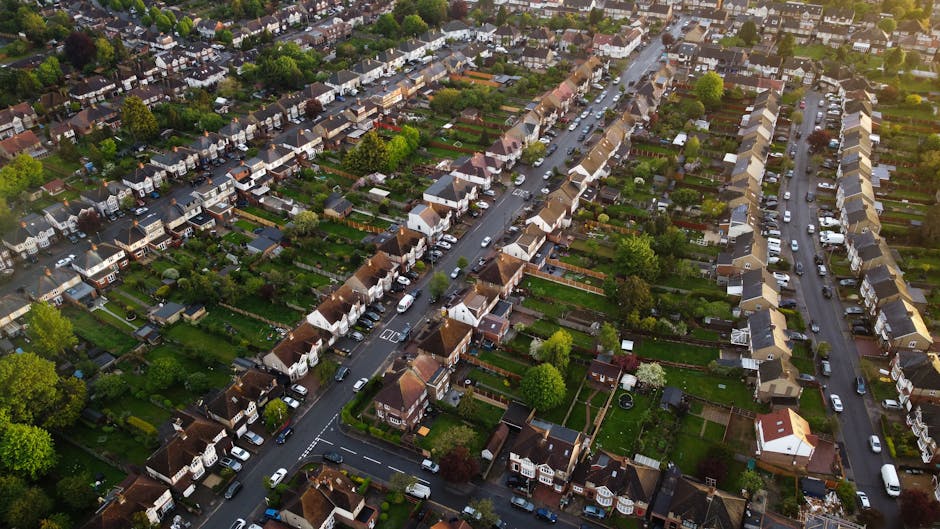
Battersea sits on the south bank of the River Thames in the London Borough of Wandsworth, with a landscape shaped by river frontage, railway development and long-running urban growth. Its most prominent green landmark is Battersea Park, a large nineteenth-century riverside park laid out on former marshland and opened in 1858. The park remains one of the area’s defining open spaces, with broad paths, ornamental planting, lakes, lawns and mature trees creating a strong contrast with the surrounding streets and housing. Nearby, the Thames Path follows the river edge and connects Battersea with other parts of central and south-west London. The area is also known for Battersea Power Station, a landmark industrial building whose distinctive brick structure has been a major feature of the skyline since the 1930s. After many years of disuse and later redevelopment, the building and its surroundings have become a focal point for contemporary architecture, retail and public space. Battersea’s streets include a mix of Victorian terraces, later apartment blocks and commercial premises, with older residential patterns still visible in many roads away from the river. The presence of the park, the river and the station development means the area combines heritage, leisure and dense urban living within a relatively compact part of London. Battersea also has a long association with transport, including rail connections and busy road routes that have helped shape the way the district has expanded over time. Despite that urban intensity, local pockets of greenery remain important, and the area’s layout still reflects the relationship between built form, river edges and public open space.
Ongoing Maintenance for Managed Properties
Some outdoor spaces need a more regular, predictable approach because they sit within managed buildings, rental homes or properties where presentation matters throughout the year. For those gardens, the value of maintenance lies in consistency. Repeated visits can keep growth in check, stop weeds from taking hold and prevent the sharp contrast between a tidy frontage and an untidy rear space. This is often the most efficient way to protect the garden from drifting into a larger, more expensive reset.
Managed properties may need different tasks depending on how the space is used. A front garden might focus on edging, sweeping and shrub control, while a rear area may need lawn care, pruning and seasonal clearance. If the garden includes pathways, steps or shared access points, the work must be carried out in a way that leaves the area clear and usable once the visit is complete. In this setting, maintenance is as much about reliability and neat presentation as it is about horticultural detail.
When arranging repeating work, it helps to think in terms of a simple schedule rather than a long list of occasional chores. That allows the garden to be looked after in a way that is easy to understand and easy to keep up. For many customers, the result is a steadier routine and a space that stays ready to use. Keep it manageable is often the best brief.
What to Include When You Enquire

A good enquiry gives enough detail for the work to be understood without overcomplicating things. The main points are the garden size, the type of task, and any particular areas that need attention. If the space has become overgrown, say whether you want a full clearance or just enough work to restore a basic tidy. If the garden is already maintained, explain whether you want a single visit or a recurring schedule.
It can also be helpful to mention practical points such as side access, locked gates, steep paths or disposal needs. These details do not need a long explanation, but they do affect how the job is planned. If you are unsure how much work is needed, a plain description of what you can see from the lawn, borders, hedges and paths is enough to start a sensible conversation. That is usually the best route to an accurate quotation.
When you are ready, use the service details above to decide what level of maintenance fits your garden best, then send over your requirements. We will use that information to prepare a quotation that reflects the actual work needed, rather than a generic estimate. If you want a neat finish, a one-off reset or continued care, the first step is simply to outline the garden and the result you are looking for.